

“Speed is no longer a competitive advantage—it is the baseline for survival.”
In today’s digital economy, timing often matters more than perfection. Markets shift in weeks, sometimes days. User expectations evolve faster than traditional planning cycles can keep up. In this environment, the ability to launch digital projects quickly—without sacrificing strategic clarity—has become a defining capability of successful teams.
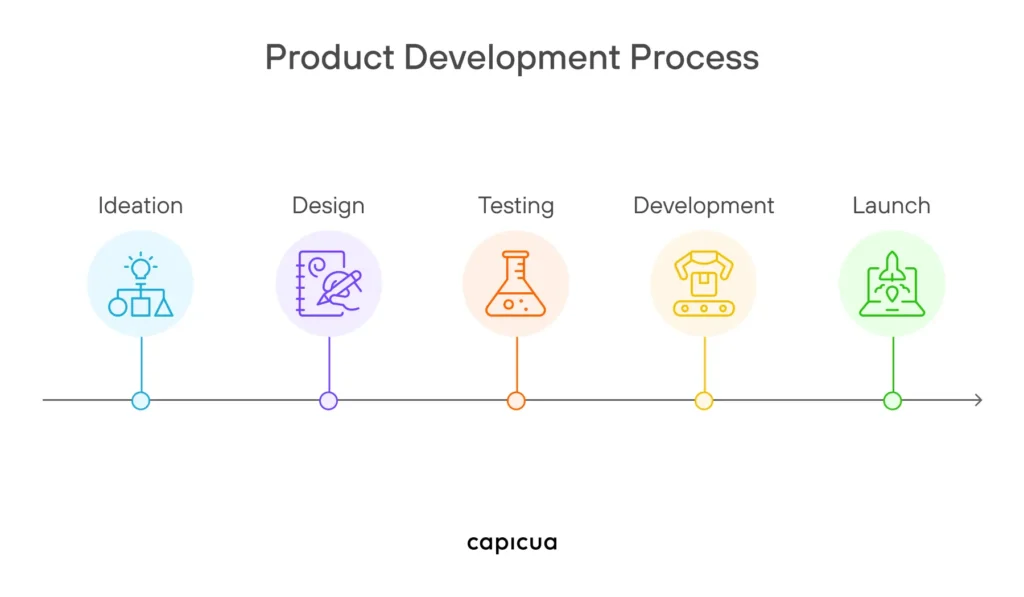
Speed, however, does not mean rushing. The most effective digital launches are not chaotic; they are compressed. They remove friction, unnecessary debate, and outdated assumptions while preserving what truly matters: value, alignment, and execution.
The Market Pulse: Why Speed Wins Now
Across SaaS, digital products, content platforms, and internal enterprise tools, three forces are shaping how projects are launched today:
- Shorter attention cycles – Users decide quickly whether something is worth their time.
- Lower cost of iteration – It is easier to fix and evolve a live product than to perfect one in isolation.
- Crowded digital landscapes – Being first or early still creates disproportionate leverage.
As a result, organizations that can move from idea to deployment faster are learning more, adapting sooner, and capturing feedback while others are still planning.
Redefining “Fast” in Digital Execution
Launching fast is not about cutting corners—it is about cutting waste. High-performing teams now focus on three principles:
- Clarity before complexity
Every project begins with a sharply defined outcome. Not a feature list, not a technical roadmap—but a clear answer to one question: What problem are we solving right now? - Progress over polish
Early versions are designed to work, not impress. A functional release beats a flawless delay every time. - Decisions over discussions
Momentum is protected by limiting decision layers. Fewer approvals. Smaller, empowered teams. Clear ownership.
When these principles are in place, speed becomes sustainable rather than stressful.
Structuring for Rapid Launch
One of the most common mistakes in digital projects is overbuilding the foundation before validating the direction. Modern teams reverse this by:
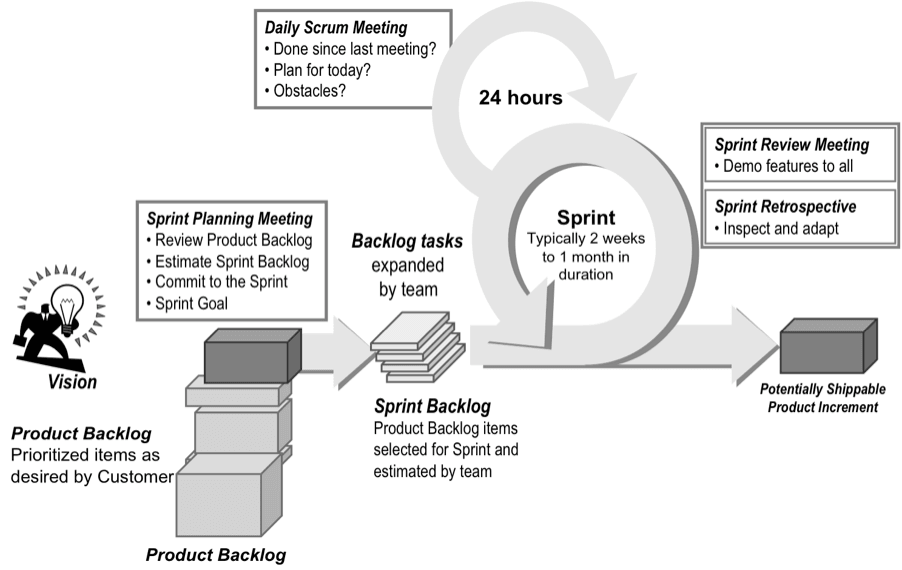
- Breaking projects into launchable slices instead of monolithic builds
- Designing workflows that allow parallel work, not sequential bottlenecks
- Treating launch as the beginning of learning, not the finish line
This approach shortens timelines while increasing confidence—because every step forward is informed by real-world signals.
Technology Is Not the Bottleneck—Process Is
Despite advances in tools, platforms, and automation, most delays still come from human systems: unclear priorities, misaligned stakeholders, and fear of visible imperfection.
Teams that consistently launch faster share one cultural trait: they are comfortable shipping intent, not just outcomes. They trust iteration. They expect refinement. They plan for change instead of resisting it.
The Strategic Advantage of Moving First
Launching early creates more than speed—it creates optionality. Early launches generate data, feedback, and positioning that late entrants can never fully replicate. Even imperfect releases shape perception, define categories, and influence standards.
In a market that rewards momentum, the real risk is not launching too soon—it is launching too late.
Final Thought
Record-time launches are not the result of working harder. They are the result of working cleaner: clearer goals, leaner processes, and decisive leadership. When speed is designed into how projects are conceived—not just how they are executed—digital teams stop chasing deadlines and start setting them.
The future belongs to those who can move with intent, learn in public, and launch without hesitation.
Leave a Reply