

“Automation doesn’t remove the human element—it removes the friction that keeps humans from doing their best work.”
Automation has quietly moved from the factory floor into the fabric of everyday life. What was once associated with industrial robots and large-scale manufacturing now lives inside our phones, homes, offices, and businesses. From how we manage time to how decisions are made, automation has become less about replacing effort and more about eliminating inefficiency.
In today’s market, where speed, accuracy, and consistency define competitiveness, automation is no longer a luxury—it is infrastructure.

The Everyday Problems We’ve Normalized
Most daily frustrations are not complex problems; they are repetitive ones.
- Manually sorting emails
- Re-entering the same data across systems
- Waiting for approvals that follow predictable rules
- Tracking tasks, schedules, or expenses by hand
- Responding to routine customer inquiries
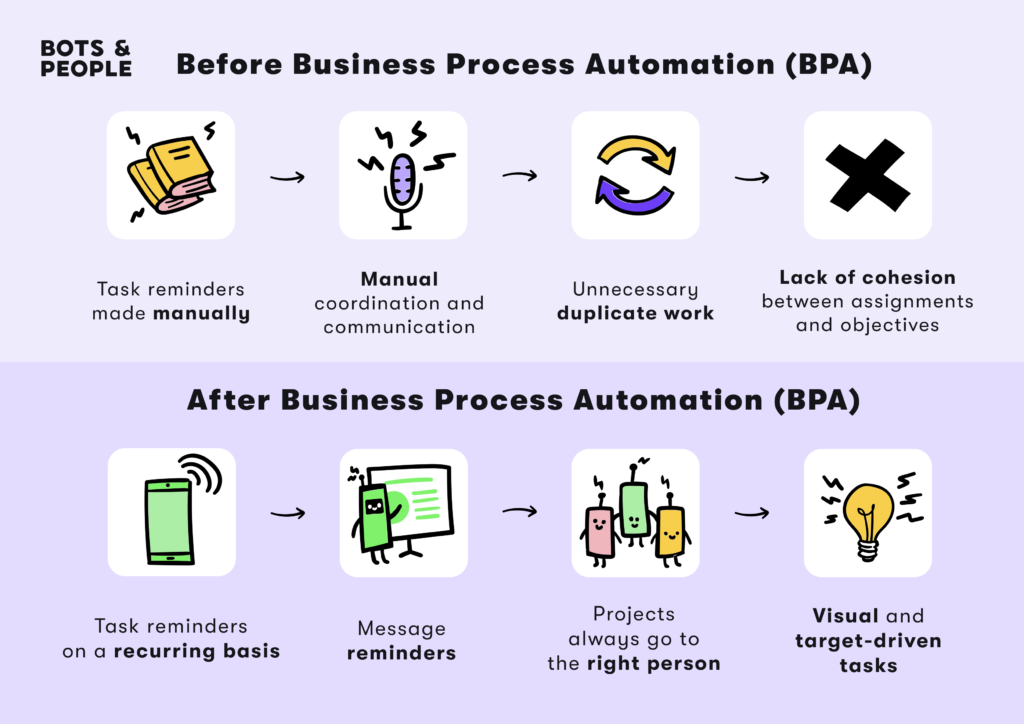
These activities consume attention without creating real value. Over time, they quietly tax productivity, increase error rates, and drain cognitive energy. Automation addresses these problems not by adding sophistication, but by removing unnecessary human involvement where judgment is not required.
Automation as a Force Multiplier, Not a Replacement
A common misconception is that automation exists to replace people. In reality, its most effective role is amplification.
Automation handles:
- Repetition
- Rule-based decisions
- Predictable workflows
- Data synchronization
- Time-triggered actions
Humans retain control over:
- Strategy
- Creativity
- Contextual judgment
- Ethical decision-making
- Relationship building
This division of labor is why modern automation tools—from workflow engines to AI-assisted platforms—are gaining rapid adoption across industries. They free individuals and teams to focus on high-leverage thinking rather than low-impact execution.

Solving Problems at the Speed of Life
One of the strongest drivers behind automation adoption today is pace. Markets move faster than manual processes can reasonably support.
Consider a few real-world examples:
- Automated reminders reduce missed deadlines and forgotten commitments.
- Smart inventory systems prevent shortages and overstock before they occur.
- Automated financial categorization provides real-time clarity instead of month-end surprises.
- Customer support automation resolves common issues instantly, improving satisfaction without increasing headcount.
These solutions don’t just save time—they prevent small problems from compounding into large ones.
The Market Shift: From Tools to Systems
Current trends show a clear evolution. Organizations are no longer looking for isolated automation tools; they are building interconnected systems.
Modern automation is:
- Event-driven rather than manual
- Integrated across platforms instead of siloed
- Data-aware, learning from patterns and outcomes
- Scalable, working just as well for individuals as for enterprises
This shift reflects a deeper understanding: automation is most powerful when it becomes invisible—when work simply flows.
Human-Centered Automation
The most successful automation strategies start with a simple question:
What should humans never have to do repeatedly?
When designed correctly, automation reduces stress, increases clarity, and restores focus. It allows professionals to spend more time thinking, creating, and deciding—rather than managing process overhead.
In this sense, automation is not about doing more work. It’s about doing the right work.
Looking Ahead
As AI-driven automation continues to mature, its role in solving everyday problems will only expand. The competitive advantage will belong to those who adopt automation thoughtfully—not to chase trends, but to remove friction where it quietly erodes performance.
The future of work is not automated people.
It is liberated people, supported by automated systems.
And that is where real progress begins.
Leave a Reply