
In every major shift of human progress, there is a defining force that quietly reshapes how work is done. Today, that force is automation. Not as a buzzword, not as a futuristic promise—but as a practical, decisive advantage that is already separating resilient organizations from those struggling to keep pace.
Automation matters because the modern market no longer rewards effort alone. It rewards speed, consistency, and intelligent execution. As customer expectations rise and operational complexity grows, manual processes become friction points—slowing delivery, increasing error rates, and draining human potential.
Automation isn’t about replacing effort—it’s about removing friction so intelligence can move faster than demand.
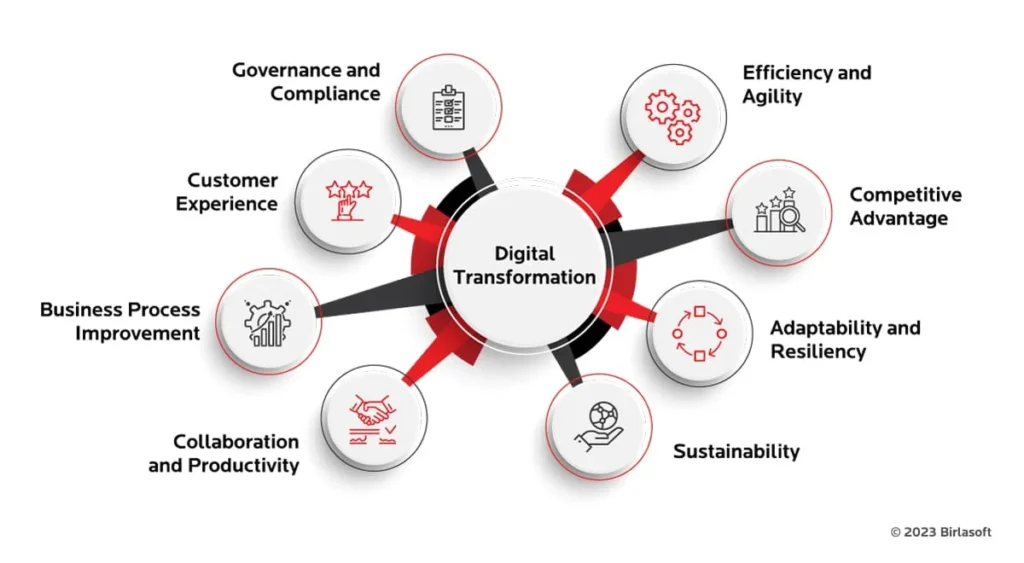
From Efficiency to Survival
Automation was once positioned as a tool for efficiency: do more with less, faster and cheaper. That framing is now outdated. In the current market pulse, automation is about survival and scalability.
Organizations are navigating tighter margins, volatile demand, and an always-on digital economy. Decisions that once took days are now expected in minutes. Systems that rely heavily on human intervention struggle under this pressure. Automated workflows, on the other hand, provide predictability in unpredictable environments. They ensure that critical operations continue to function regardless of volume, time zone, or human fatigue.
Precision in a Noisy World
One of automation’s most overlooked advantages is consistency. Humans excel at judgment, creativity, and empathy—but we are inherently variable. Automation brings precision where precision is non-negotiable: data handling, compliance checks, repetitive validation, monitoring, and reporting.
In industries where small errors compound into significant risk, automation acts as a stabilizing force. It reduces variance, enforces standards, and creates auditability by design. This is especially critical as regulatory scrutiny and customer trust expectations continue to intensify.
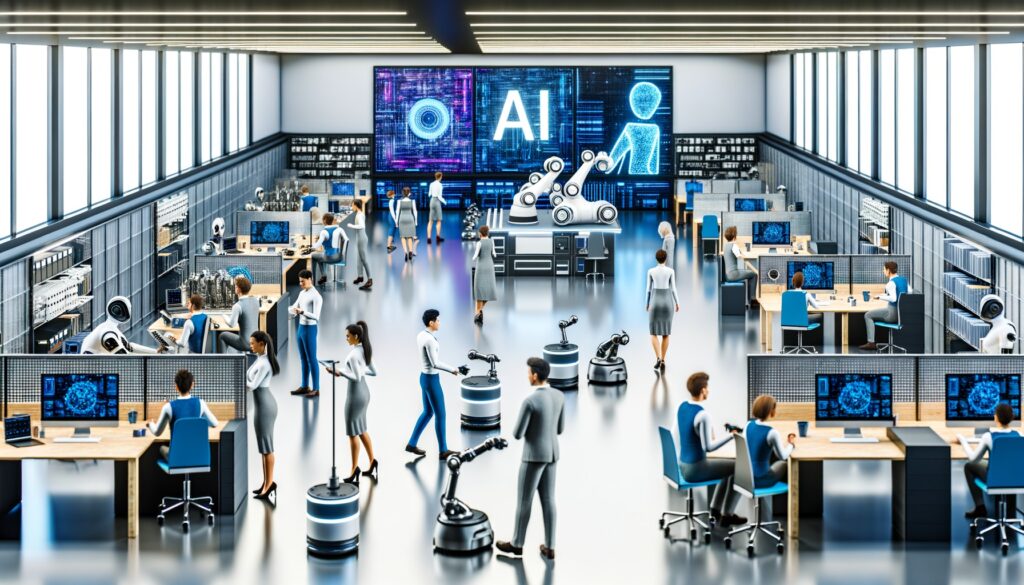
Freeing Humans to Do Human Work
Contrary to outdated fears, automation is not about replacing people—it is about redeploying intelligence. When teams are relieved from repetitive, low-leverage tasks, they gain time for higher-order work: strategy, innovation, problem-solving, and relationship-building.
The organizations leading today are not those with the most automation, but those with the right balance—where machines handle the predictable, and humans focus on the nuanced. Automation becomes a force multiplier, amplifying human capability rather than diminishing it.
Speed as a Strategic Weapon
In the current competitive landscape, speed is no longer a byproduct of efficiency—it is a strategic weapon. Automated systems enable faster onboarding, quicker response times, real-time insights, and rapid iteration. This agility allows businesses to test, learn, and adapt continuously without overextending their teams.
Markets now reward those who can respond first—and respond well. Automation makes that possible at scale.
Building for What Comes Next
Perhaps the most compelling reason automation matters is future readiness. Emerging technologies—AI-driven analytics, predictive systems, autonomous decision engines—are built on automated foundations. Without clean, automated processes, organizations cannot fully leverage advanced intelligence.
Automation is not the end goal. It is the infrastructure that enables what comes next.
The Scrypthics Perspective
At Scrypthics AI, automation is viewed not as a toolset, but as a philosophy: design systems that think ahead, reduce friction, and evolve with the market. In a world defined by acceleration, automation is how organizations remain deliberate, disciplined, and decisive.
Those who embrace it thoughtfully will not just keep up—they will define the pace.
Because in the end, automation is not about doing things faster.
It’s about building systems that work—consistently, intelligently, and at scale.
Blog
This section provides an overview of the blog, showcasing a variety of articles, insights, and resources to inform and inspire readers.
-

Why Automation Matters
In every major shift of human progress, there is a defining force that quietly reshapes…
-

How Automation Solves Everyday Problems
“Automation doesn’t remove the human element—it removes the friction that keeps humans from doing their…
-

Launching Your Digital Projects in Record Time
“Speed is no longer a competitive advantage—it is the baseline for survival.” In today’s digital…

Leave a Reply